

Strategy

5 min read. Darren Cavaree, Founder of Aeroy. . Updated .
Where to start with email marketing for a small trade business. What to send, when to send it, and whether you need a tool at all.

The best place to start with email marketing for small business is one email, sent about a week after you finish a job. Ask how everything is going. If they have not left a review yet, ask politely for one.
You do not need a tool, a newsletter or a long list to do that. You need the customer’s email address and two minutes.

Send a short follow up about a week after the job is done. Keep it to a few lines. Something like “How is everything going?” is enough.
I tell the trades I work with to start here. The job is fresh in the customer’s mind. If something is not right, you hear about it before they tell a neighbour. If it is all fine, you have a good moment to ask for a review.
Ask once and be polite. If they have not replied, one gentle nudge is fine. Too many reminders can backfire.
Not at the start. If you are only sending a few messages, keep the contacts in your address book and email each person yourself.
Mailchimp is handy if you want to use it from your phone. Its free plan allows up to 250 contacts and 500 sends a month, with a limit of 250 sends a day. I checked Mailchimp’s own pricing page on 9 October 2026. Prices and limits change, so look again before you sign up.
Here is how I would choose:
One note on counting. One email to 200 people uses 200 sends on the free plan. Two emails a month to 200 people would go over the monthly limit.
Keep in touch through the year. Yearly check ins work well, and the seasons give you a reason to write.
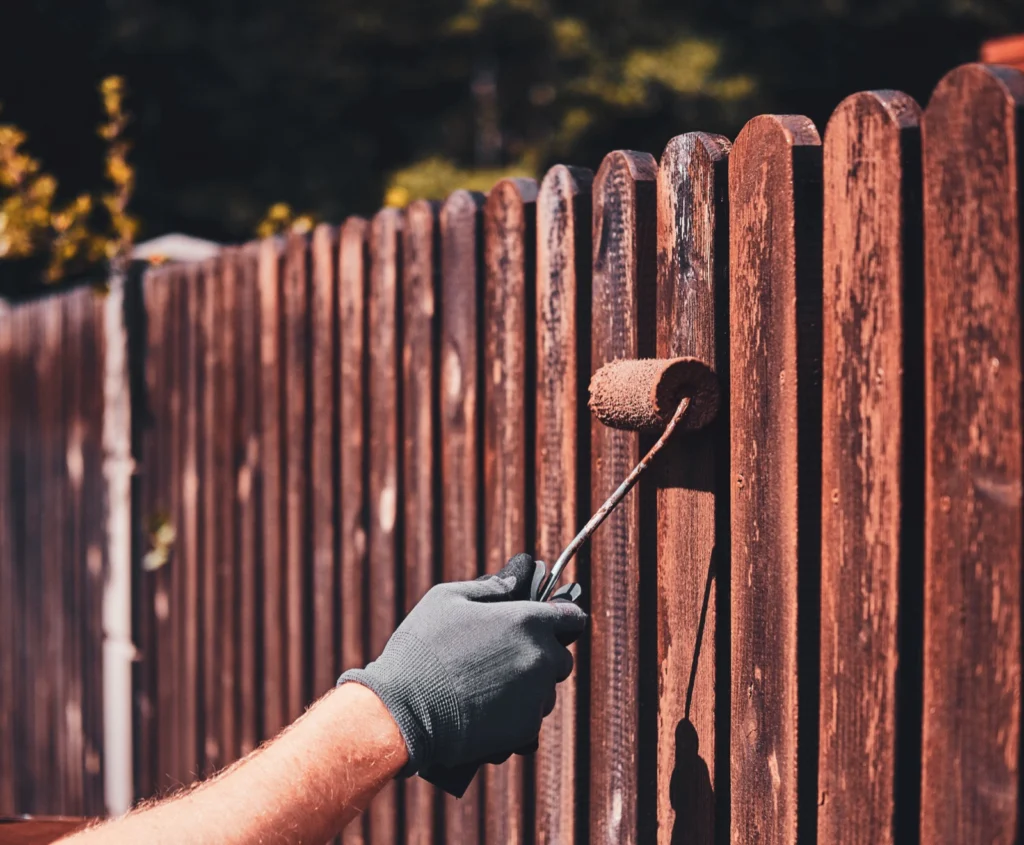
Take a fencing contractor. He could send a greeting in December and another at New Year. In windy weather he could email past clients with one line: “Has your fence been damaged?” That keeps his name in front of them at the moment they might need him.
Every trade has its own version. A roofer can ask about slipped tiles after a storm. A heating engineer can offer a boiler check in early autumn. A landscaper can write in spring when gardens start to grow.
Keep it to a few times a year. People remember a useful reminder. They ignore a business that writes every week.
The ICO is the UK body that sets out the rules. For individuals, you must not send marketing emails unless they have agreed. The main exception is for your own recent customers, often called the soft opt in.
The ICO says the soft opt in applies when all three of these are true:
You must also say who you are and give a valid address so they can unsubscribe. The ICO also says sole traders and some partnerships count as individuals. Limited companies are treated differently, but data protection law still applies if the email goes to a named person.
Is your follow up a marketing email? A plain check on how the job went is usually service. A message that tries to sell something is marketing. When in doubt, add an unsubscribe line. It costs you nothing. This is general guidance, not legal advice. The ICO’s pages are the place to check the detail.
Ask every customer when you quote and when you finish. Say what you will use it for. Something like “Can I email you a quick check in after the job, and now and then a seasonal reminder?” works.
Write it down in one place. A spreadsheet or your phone contacts is fine. Note the date they agreed and delete anyone who asks.
You can also add a sign up box to your website. Our email marketing service covers this if you would rather not set it up yourself.

Quick tip. You only need permission and a list. Ask every customer if they are happy to hear from you now and then, and keep their email address in one place.
Send the follow up email to your last three customers this week. Ask how everything is going. If they have not left a review, ask for one.
If you would like the emails set up and sent for you, get in touch through the contact page or message us on WhatsApp on 07464 890742.
Book a chat and we will set up the emails that bring past customers back.

Darren Cavaree, Founder of Aeroy
Over 10 years helping local businesses get found on Google.

 Talk to the Aeroy team
We look at where your customers come from now and what would bring in more. You leave with a plan, whether you work with us or not.
Book a chat
